
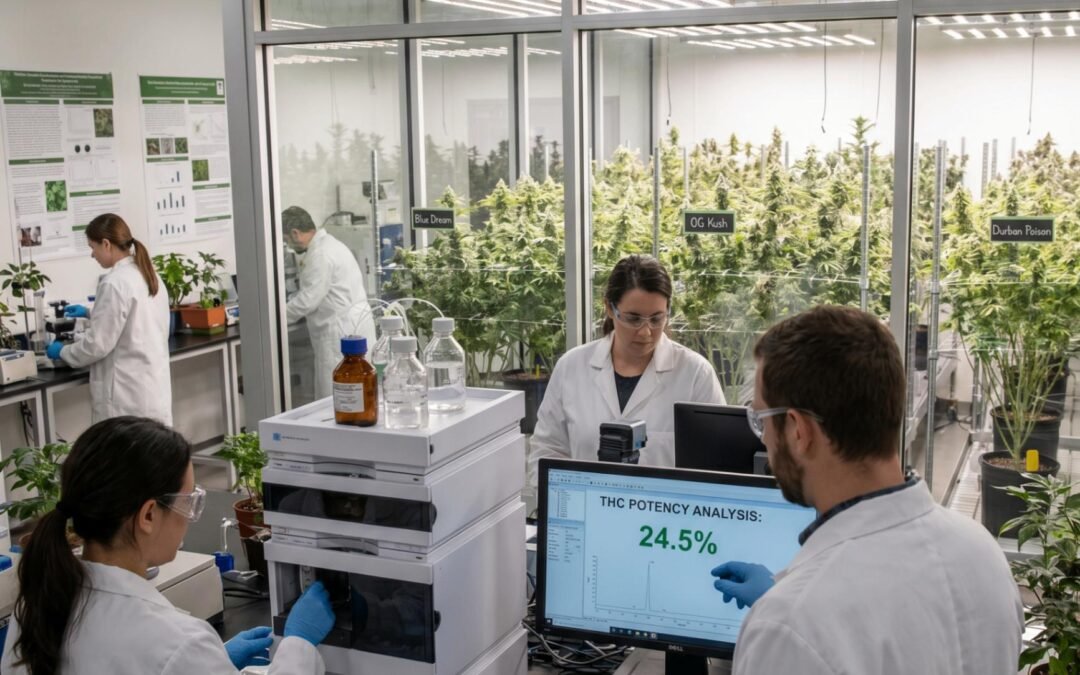
A cannabis certificate of analysis (COA) is a laboratory report that provides information about a tested cannabis sample. Depending on the laboratory, product type and testing requirements, it may contain cannabinoid concentrations, terpene results and information about contaminants.
For readers trying to understand cannabis quality, a COA offers more detail than a product name or a THC percentage displayed on packaging.
However, laboratory reports can be confusing. Terms such as total THC, THCA, limit of detection and microbial testing may be unfamiliar.
This guide from Burning Rope Pharms explains the main sections of a cannabis COA, what the results mean and what a laboratory report cannot tell you.
What Is a Cannabis Certificate of Analysis?
A cannabis certificate of analysis is a document issued a testing laboratory after analyzing a particular sample.
The report may include:
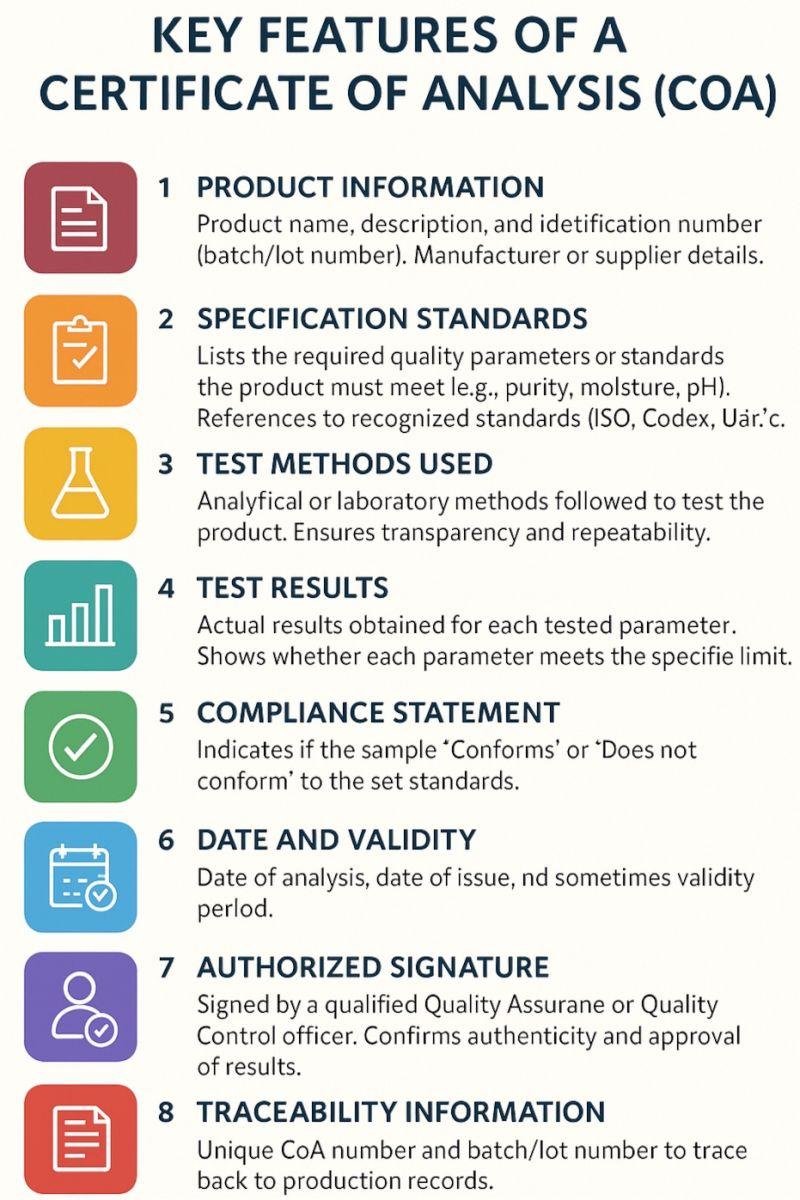
- The product or sample name.
- A batch or lot identification number.
- The laboratory’s name and contact details.
- The date the sample was received or tested.
- Cannabinoid results.
- Terpene results, when included.
- Contaminant testing results, when included.
- Testing methods and reporting limits.
Not every COA includes every category.
Testing requirements vary by jurisdiction, product type and intended purpose. A report covering potency alone should not be interpreted as evidence that a product has also passed contaminant testing.
The first step is therefore to establish exactly what the laboratory tested.
1. Check the Laboratory and Batch Information
Before interpreting the chemical results, look at the identifying information at the top of the report.
A useful COA should identify the laboratory and the sample being analyzed.
Check whether the product name and batch or lot number match the product associated with the report.
Also examine the testing date.
An old COA may describe a sample from an earlier production batch rather than the material currently being offered.
Where applicable, laboratory accreditation and the scope of that accreditation provide additional context about the laboratory’s technical capabilities.
However, accreditation does not automatically mean every possible cannabis test is included in a particular report.
Key takeaway: A laboratory report is most useful when it can be connected to the correct product and batch.
2. Understand the Cannabinoid Results
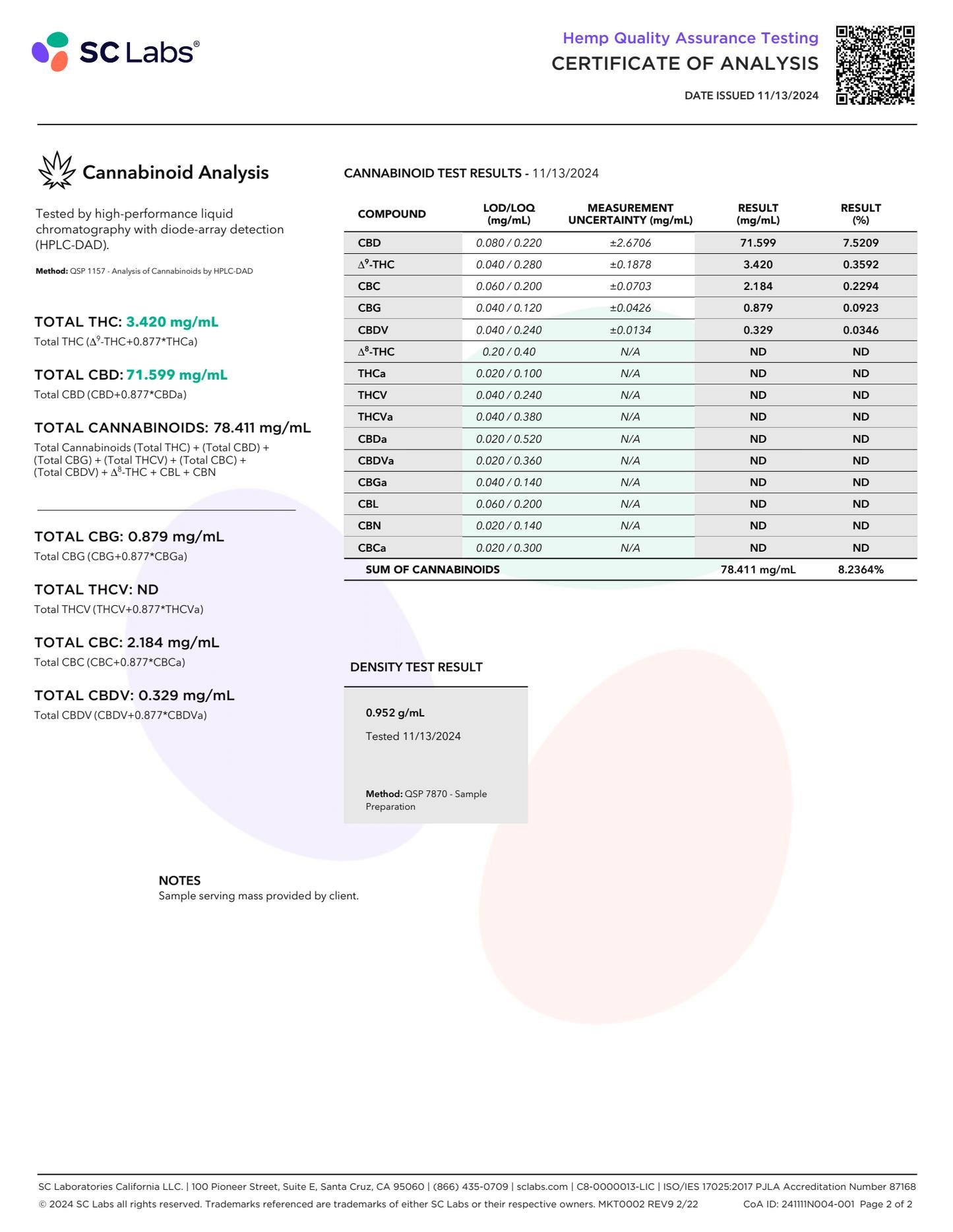
One of the most recognizable sections of a cannabis certificate of analysis is the cannabinoid profile.
This section may list compounds such as:
- Delta-9 THC.
- THCA.
- CBD.
- CBDA.
- CBG.
- CBGA.
- Other cannabinoids included in the testing method.
The laboratory may report concentrations as percentages, milligrams per gram or another specified unit.
Always check the units before comparing results.
For example, a result expressed in milligrams per gram should not be treated as though it were already a percentage.
What Is the Difference Between THC and THCA?
THCA is an acidic cannabinoid precursor associated with THC production in the plant.
When heated, THCA can undergo decarboxylation, a chemical reaction that converts it into THC.
Some laboratory reports therefore distinguish between measured delta-9 THC and calculated total THC.
A commonly used calculation is:
Total THC = Delta-9 THC + (THCA × 0.877)
The factor accounts for the difference in molecular mass during decarboxylation.
Calculated total THC is an estimate based on the reported chemical measurements. It should not be interpreted as a guarantee of the amount a person will absorb.
The exact reporting convention can also depend on the applicable testing rules.
3. Understand CBD and Other Cannabinoids
CBD is another well-known cannabinoid.
A COA may report CBD and its acidic precursor, CBDA, separately.
Other cannabinoids may also appear, depending on the laboratory’s analytical method.
The presence or absence of a reported compound should be interpreted carefully.
A compound marked as not detected may simply be below the laboratory’s detection limit.
It does not necessarily mean that the compound is completely absent.
Likewise, a laboratory that does not test for a particular cannabinoid cannot provide meaningful information about its concentration.
This is why the list of compounds included in the test matters.
How to Read a Cannabis Terpene Profile
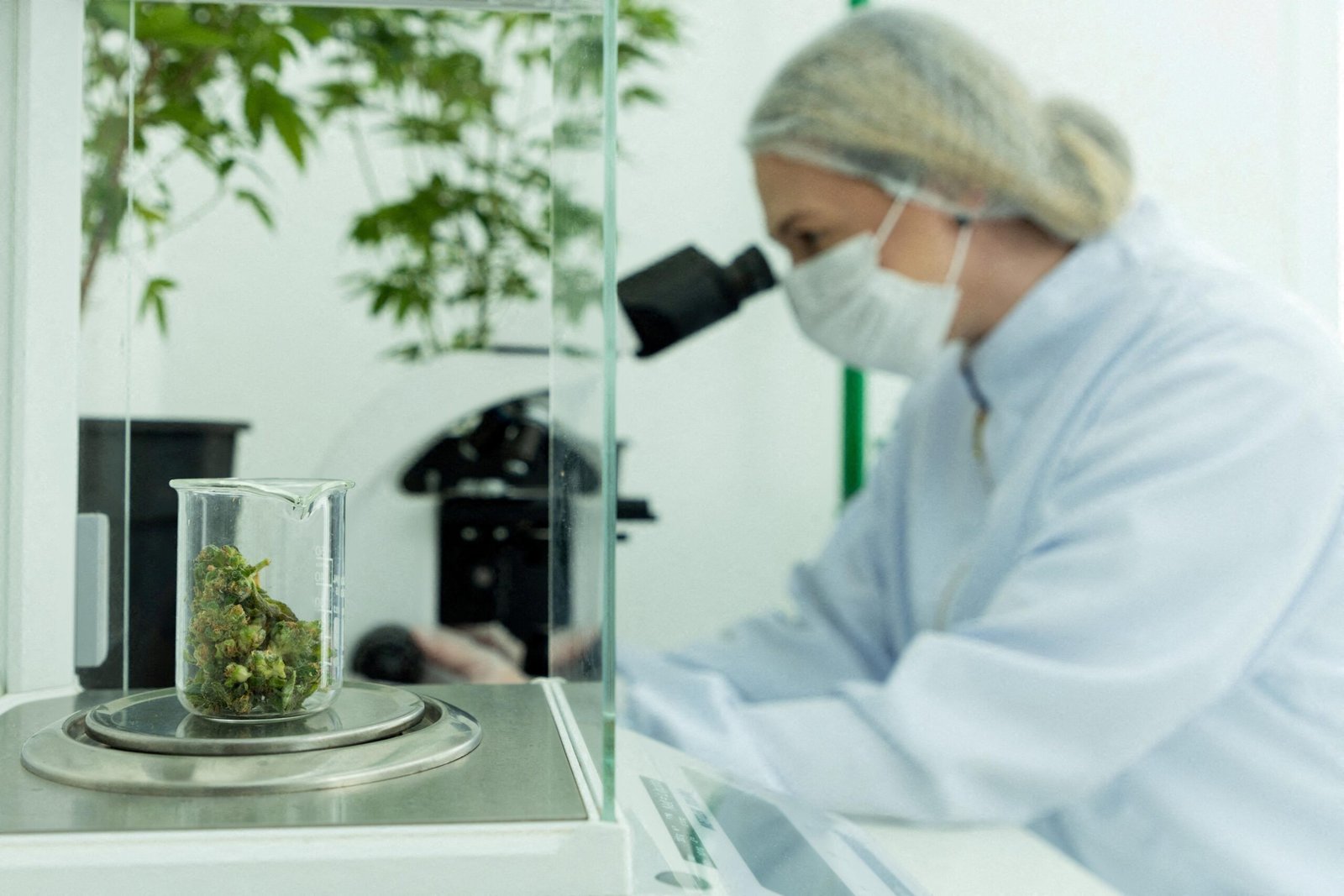
Some cannabis COAs include terpene testing.
Terpenes are volatile aromatic compounds found in cannabis and many other plants.
A terpene profile may list compounds such as myrcene, limonene, pinene, linalool and beta-caryophyllene.
These compounds contribute to different aromatic characteristics.
For example, limonene is associated with citrus-like aromas, while pinene is associated with pine-like aromas.
However, a terpene profile does not provide a complete prediction of how a person will experience a cannabis product.
Aroma can involve numerous volatile compounds, and sensory perception varies.
A COA also describes the tested sample at a particular point in time. Subsequent storage and handling may influence its chemical characteristics.
Related reading: What Makes Cannabis Smell Different? Understanding Terpenes, Genetics, and Aroma in 2026.
5. Look for Contaminant Testing
A cannabis certificate of analysis may include testing for substances or organisms that should be controlled in the finished product.
Depending on the product and regulatory requirements, relevant categories can include:
Pesticide residues
Laboratories may screen for specified pesticide compounds.
The report should identify which substances were tested and how the results compare with applicable limits.
Heavy metals
Testing may include metals such as lead, cadmium, arsenic and mercury.
The required testing panel and acceptable limits depend on the relevant jurisdiction and product.
Microbial contamination
Microbial testing may examine specified microorganisms or indicators of contamination.
A result should be interpreted against the applicable testing standard rather than assuming every laboratory uses identical requirements.
Mycotoxins
Some testing programs include mycotoxins, which are toxic compounds produced by certain fungi.
Residual solvents
Residual-solvent testing is particularly relevant to products manufactured using solvent-based extraction processes.
A flower potency report should not be assumed to cover residual solvents or every other contaminant category.
Important: A COA that contains only cannabinoid results is not the same as a comprehensive contaminant-testing report.
What Do Pass, Fail and Not Detected Mean?
Laboratory reports may use terms such as pass, fail, not detected or below the limit of quantification.
These terms have different meanings.
Pass: The reported result meets the specified acceptance criterion for that test.
Fail: The reported result does not meet the applicable criterion.
Not detected: The laboratory did not detect the substance above its stated detection limit.
Below the limit of quantification: The substance may be present, but its concentration cannot be reliably quantified using the method at that level.
A pass result applies to the test and criteria identified in the report.
It should not be interpreted as a universal guarantee that a product is risk-free.
7. Can a COA Prove Cannabis Quality?
A certificate of analysis provides valuable laboratory information, but it does not measure every aspect of cannabis quality.
A COA may help establish the measured chemical composition of a particular sample and whether it meets specified testing criteria.
However, it cannot independently describe every aspect of aroma, freshness, storage history, handling or sensory quality.
It also cannot guarantee that every individual unit in a batch is identical to the tested sample.
Sampling procedures, laboratory methods and batch consistency all matter.
This is why laboratory analysis should be considered alongside reliable product identification and appropriate quality-control practices.
Related reading: Cannabis Freshness Explained: How Storage, Aroma, Moisture and Time Affect Flower Quality.
8. Why THC Percentage Is Only One Part of a COA
THC percentage is often the first number people notice.
Yet a cannabis certificate of analysis may provide a much broader set of information.
A report can help readers understand the relationship between different cannabinoids, identify reported terpene compounds and examine the results of applicable contaminant tests.
Focusing exclusively on the highest THC percentage overlooks these other categories.
Furthermore, different testing methods, sampling procedures and reporting conventions can affect how laboratory results are presented.
A more informed interpretation considers the entire report rather than selecting one number.
Related reading: Why Cannabis Consumers Are Looking Beyond THC Percentage in 2026.
9. A Simple Checklist for Reading a Cannabis COA
Before drawing conclusions from a laboratory report, ask the following questions:
- Is the laboratory clearly identified?
- Does the batch number match the product?
- When was the sample tested?
- Which cannabinoids were measured?
- Are the units clearly stated?
- Is the THC figure measured or calculated?
- Was terpene testing performed?
- Which contaminant categories were tested?
- What limits and acceptance criteria were used?
- Does the report cover the actual product and batch being evaluated?
These questions help readers distinguish between a detailed analytical report and a document that provides only limited information.
Final Thoughts
A cannabis certificate of analysis is an important source of information about a tested cannabis sample.
It can provide cannabinoid measurements, terpene information and contaminant-testing results, depending on the scope of the report.
Understanding the laboratory, batch identification, testing date, units and reporting limits is essential for interpreting the results correctly.
At Burning Rope Pharms, our Cannabis Education articles explore the science behind genetics, chemical composition, freshness and flower characteristics.
The central takeaway is simple: read the entire COA, understand what was tested and avoid treating a single THC number as a complete description of a product.