Walk into any dispensary right now and watch the ritual. Customer picks up a jar. Shakes it. Sniffs the seal. Then immediately flips it over to check the THC percentage. If the number is below 25%, they put it back. If it’s above 30%, they buy it no smell test, no dry pull, no questions asked.
That ritual is broken. And it’s exactly why the corporate cannabis market is producing flower that looks like frosty golf balls but tastes like wet cardboard.
At Burning Rope Pharms, we don’t chase numbers. We chase noses. We chase that first crack of the jar that fills a room in three seconds. We chase the diesel-soaked candy that makes your eyes water before the flame ever touches it. We chase cannabis terpenes the real reason one strain slaps and another sits.
If you’re still buying based on THC percentages, you’re missing the entire point of the plant. Let me show you why.
What Are Cannabis Terpenes?
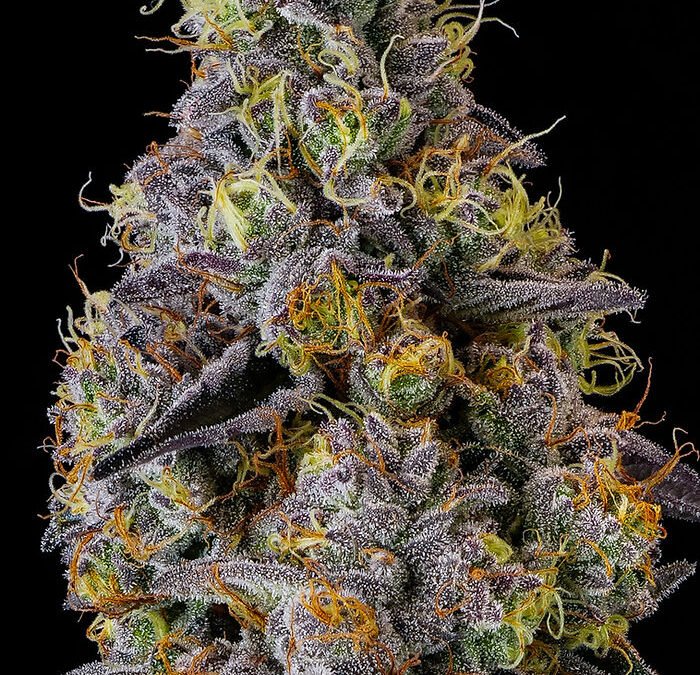
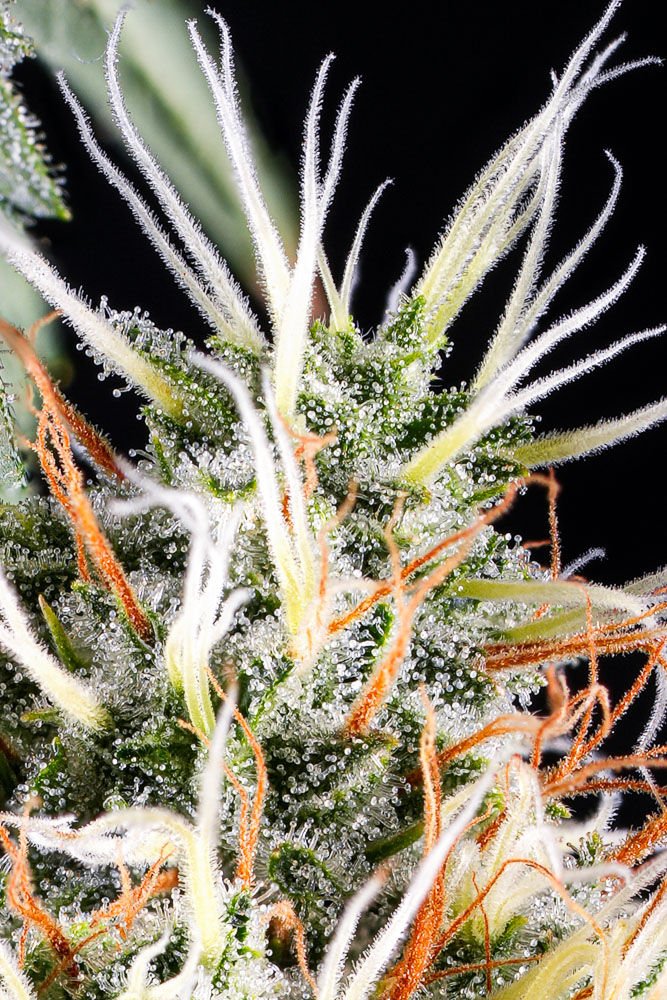
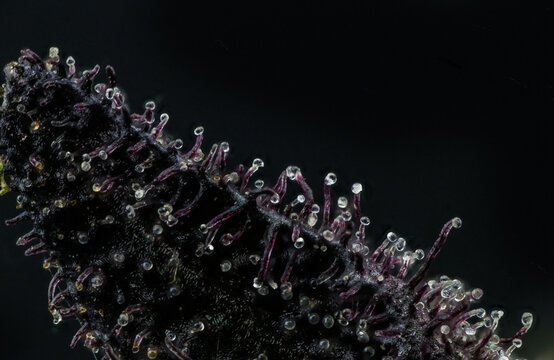
Cannabis terpenes are the aromatic compounds that give each strain its fingerprint. They’re produced in the trichome heads those tiny mushroom-shaped glands that frost the flower and they evaporate at different temperatures, creating the layered flavor experience that separates craft from corporate.
THC gets you high. Cannabis terpenes get you there. They modulate the experience. Myrcene sedates. Pinene focuses. Limonene elevates. Caryophyllene bites. Without terpenes, you’re just consuming THC a one-dimensional elevator ride with no view.
Corporate labs know this, but they can’t market it. Terpenes are volatile. They degrade under heat, light, and time. A warehouse operation that rushes its dry, packs in plastic, and sits on inventory for six months isn’t selling terpenes they’re selling THC and chlorophyll with a fancy label.
That’s why we built Burning Rope around the nose. Because cannabis terpenes are the first thing to die when a grower cuts corners, and the last thing a smoker forgets when a grower does it right.
The Street Sommelier’s Language
We don’t describe our flower like a lab report. We describe it like a meal, a memory, and a warning all at once. This is the language of cannabis terpenes as spoken in the Valley, the Bay, and every garage grow that ever made a smoker stop mid-toke:
-
Gas That sharp, chemical-diesel front end that coats your throat and opens your sinuses. Usually driven by myrcene and caryophyllene. If it doesn’t make you blink, it isn’t gas.
-
Diesel — Heavier than gas. Industrial. Like standing behind a running truck in July. This is the terpene profile that hangs in your clothes.
-
Funk — The body odor, cheese-rind, skunk-spray layer that separates real heads from tourists. Often caryophyllene and humulene doing their dirty work.
-
Candy — The sweet, fruity, dessert-like front end that tricks you into thinking the smoke will be gentle. Limonene and linalool territory. It’s a setup for the robbery on the exhale.
-
Robbery — When the flavor profile flips mid-smoke and takes something from you. Your breath. Your composure. Your plans for the evening. That’s a well-executed terpene handoff.
-
Bone — The deep, mineral, earthy base that grounds the entire profile. Like tasting the soil it came from. Only living soil cannabis produces real bone.
When we hunted the keeper for our RS11, we weren’t looking for the highest tester. We were looking for the pheno that threw pink champagne gas with a diesel backbone. When we selected our Zangria, we wanted tropical fruit on the dry pull and fuel on the burn — a terpene progression, not a single note.
This is what cannabis terpenes do when you respect them. They tell a story from first sniff to final ash.
Why Corporate Cannabis Can’t Preserve Terpenes
The legal market is flooded with flower that tests high and smells like nothing. Here’s why:
Rushed Drying: Terpenes are volatile oils. When you blast a room with heat to speed up turnaround, you evaporate the very compounds that make the strain unique. Our cold cured process keeps temperatures low specifically to preserve cannabis terpenes not just THC.
Synthetic Feeding: Bottled salt nutrients produce generic sweetness. The plant has no biological complexity to draw from, so the terpene profile flattens out. Our living soil program creates a diverse microbiome that the roots communicate with, producing richer, more complex cannabis terpenes than hydroponics ever could.
Machine Trimming: Metal blades and tumblers shear trichome heads off the flower. Those heads are where cannabis terpenes live. We hand-trim every cola to keep the frost intact.
Plastic Packaging: Terpenes off-gas into plastic, leaving the flower muted within days. We store in glass. We sell in small batches. We move it while the nose is still alive.
PGR Inflation: Plant Growth Regulators force cell expansion, creating dense, round nugs that look premium. But PGRs suppress trichome production. The flower looks good and smells like hay. We run zero PGRs because we’d rather have a looser cola that reeks than a tight rock that lies.
The Terpene Profiles Behind Our Keepers
Every strain in our stable was selected for its cannabis terpenes first, potency second. Here’s what we hunt for:
Gun Smoke Diesel-forward with a peppery caryophyllene bite. The exhale carries a faint sweetness, like burnt sugar at the edge of a tire fire. This is not a beginner’s smoke.
Butch Cassidy Gas and funk in equal measure. Myrcene-heavy body with a pinene clarity that keeps you from sinking into the couch completely. The kind of profile that makes you pause between hits to appreciate the shift.
Lucky 777 Citrus-limonene front with a deep, earthy myrcene base. Bright on the dry pull, heavy on the burn. A terpene progression that rewards slow smoking.
Zangria Tropical fruit explosion up front. Mango, passionfruit, and guava notes from a complex terpene blend that only expresses fully in living soil. The back end is pure fuel the robbery that makes you reach for water.
Zangbanger Heavy caryophyllene and humulene. Spicy, peppery, and aggressive. This profile doesn’t ask permission. It announces itself when you crack the jar and doesn’t leave the room for an hour.
Gelato Creamy, dessert-like linalool and limonene on the front. But our keeper pheno carries a gas undertone that the corporate cuts lost. Sweet on the inhale, diesel on the exhale. That’s the cannabis terpenes doing their job.
Zkittlez Grape candy from terpinolene and limonene. But the real magic is the transition candy to gas to a faint pine that lingers on the tongue. A three-act play in one joint.
Runtz The signature sweet-gas profile that made the strain famous. Our hunted keeper leans into the sweetness without losing the fuel backbone. Smooth on the throat, heavy in the chest.
How to Judge Cannabis Terpenes Before You Buy
You don’t need a lab test to evaluate cannabis terpenes. You need a nose and a standard. Here’s the Burning Rope test:
The Jar Crack: When you open it, does the smell reach you before your nose reaches the jar? If you have to dig for the aroma, the terpenes are already dead.
The Dry Pull: Before lighting, pull through the joint unlit. What hits your tongue? Candy? Gas? Nothing? The dry pull reveals the volatile top notes the most fragile cannabis terpenes that burn off first.
The First Hit: The initial terpene layer should be distinct. Not “weed-flavored.” Specific. Diesel, lemon, berry, pine something you can name.
The Mid-Smoke Progression: As the bowl or joint heats up, the temperature unlocks deeper terpenes. A well-cured, properly grown flower will shift profiles mid-smoke. Candy becomes gas. Gas becomes pine. Pine becomes earth. This is the street sommelier experience.
The Exhale: The final note should linger. Not as harshness, but as flavor. If the exhale is blank, the cannabis terpenes were either never there or were destroyed in the grow.
The Ash: White ash means clean combustion. Clean combustion means the cannabis terpenes burned true, not through residual salts or synthetic carriers. Read our white ash doctrine for the full breakdown.
Why THC Percentages Lie
Here’s the truth that corporate brands don’t want you to know: THC percentage has almost no correlation with how high you feel.
A 18% flower with a rich terpene profile and proper cure will hit harder, last longer, and feel more satisfying than a 32% flower that was rushed, irradiated, and stripped of its cannabis terpenes. The entourage effect the synergy between cannabinoids and terpenes is what creates the full experience. Isolate the THC and you have a flat, anxious, one-note high.
When we hunt phenos, we don’t even ask for THC numbers until after we’ve chosen the keeper. The nose decides first. The lab confirms second. If a pheno tests at 22% but smells like a chemical plant in the best way possible, it makes the cut. If another tests at 29% but has no nose, it dies in the cull.
That’s the difference between a flavor chaser and a number chaser. And at Burning Rope, we chase flavor.
The Bottom Line
The legal market wants you to believe that cannabis is a commodity that one jar of 30% THC is the same as any other. But anyone who’s smoked real cannabis terpenes knows better. The nose doesn’t lie. The dry pull doesn’t lie. The exhale doesn’t lie.
Cannabis terpenes are the soul of the plant. They’re the reason one strain makes you creative, another makes you sleepy, and another makes you call your ex at 2 AM. They’re the reason legacy smokers remember specific batches from 2008 but can’t name a single corporate strain from last year.
At Burning Rope Pharms, we grow for the nose. We cure for the nose. We hunt for the nose. Because if it doesn’t slap your nostrils or curl your toes, it doesn’t end rope.
Burning Rope Pharms Cowboy Grown in the Valley. For Smokers, Not For Cameras.
Ready to chase flavor? Browse our hunted seed lineup and grow terpenes that actually move the needle. New to growing? Our beginner’s guide to choosing cannabis seeds will help you start right.
Recommended Reading: Dive deeper into the science of terpenes and the entourage effect with this guide from Leafly on cannabis terpenes.
Trackbacks/Pingbacks