
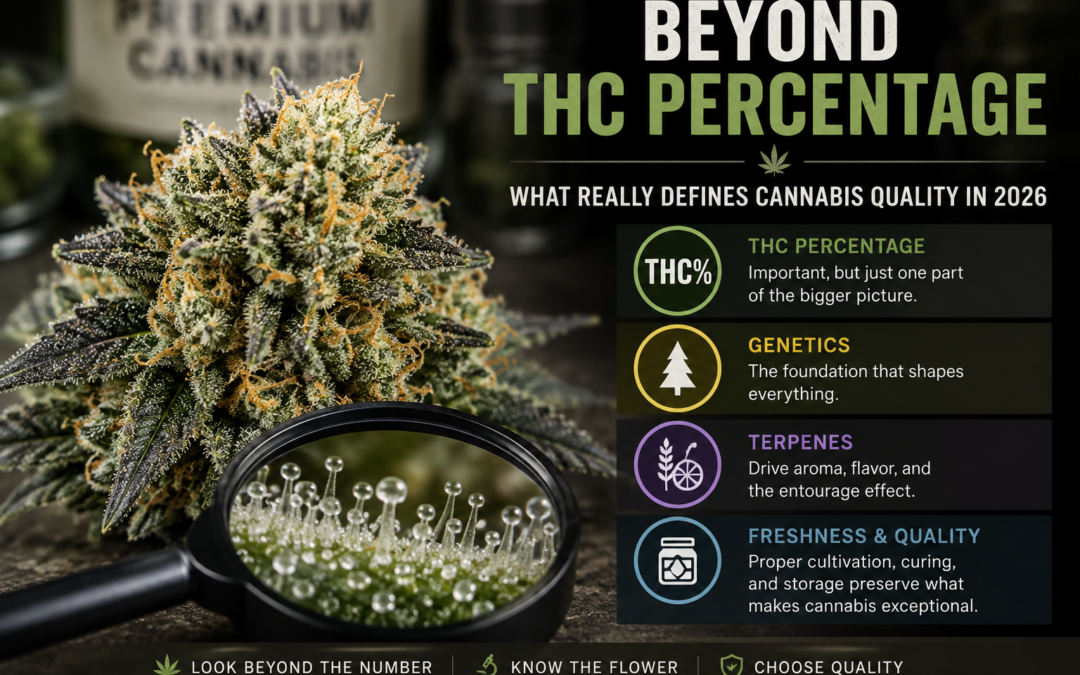
Cannabis quality beyond THC is becoming an increasingly important topic in 2026 as consumers learn that THC percentage alone cannot describe the complete characteristics of cannabis. Genetics, terpene profiles, cultivation methods, freshness, storage conditions and trichome preservation can all contribute to the overall characteristics of a flower.
Why Cannabis Quality Beyond THC Matters
For years, THC percentage has often been treated as a quick indicator of potency or quality. However, two cultivars with similar THC percentages can have noticeably different aromas, flavors and reported experiences. This is one reason consumers are paying greater attention to the plant’s complete chemical and genetic profile.
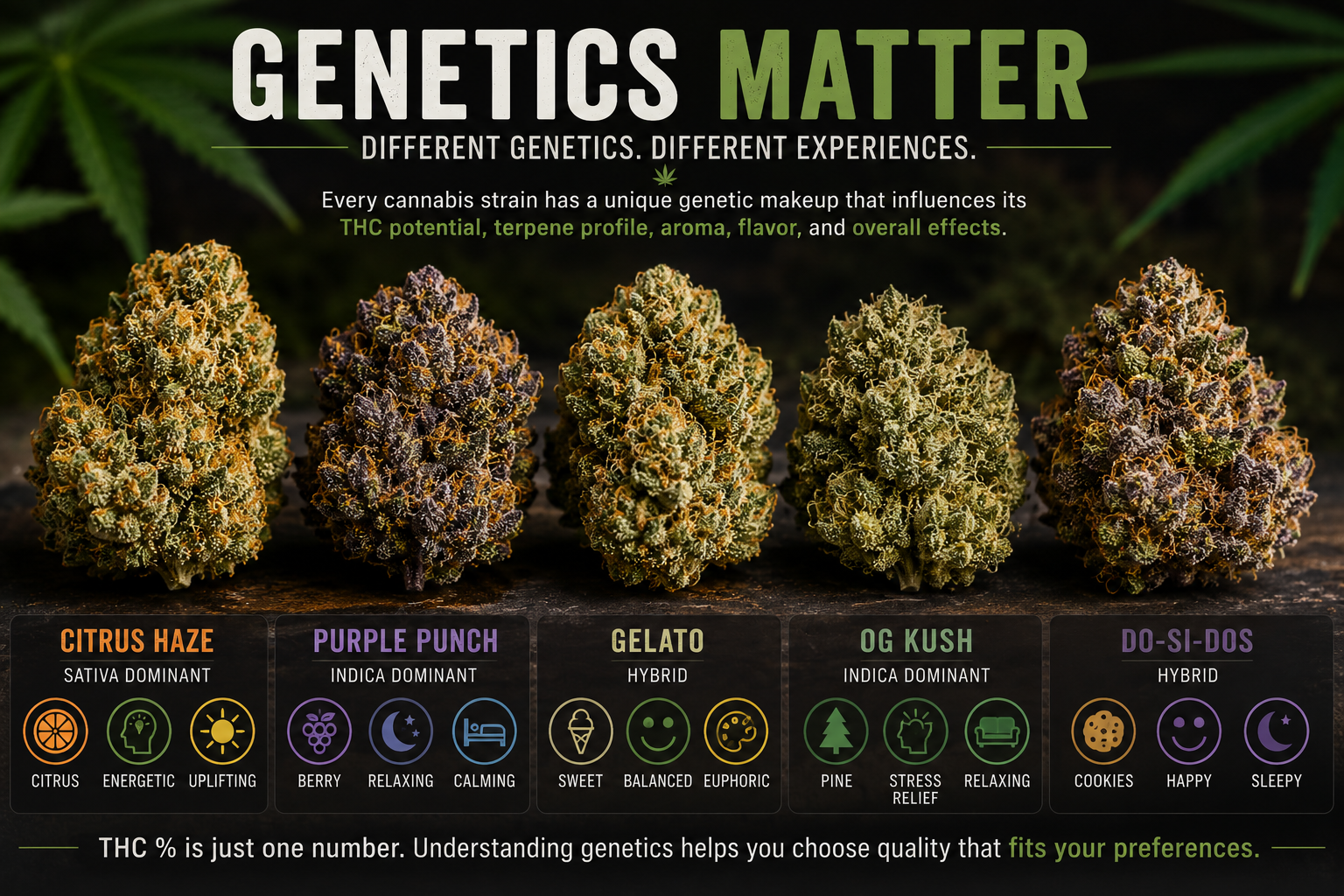
Genetics provide the foundation. Different cultivars can express different combinations of cannabinoids, terpenes and physical characteristics. Growing conditions and post-harvest handling can then influence how those genetic traits are expressed and preserved.
Terpenes Are Part of the Bigger Picture
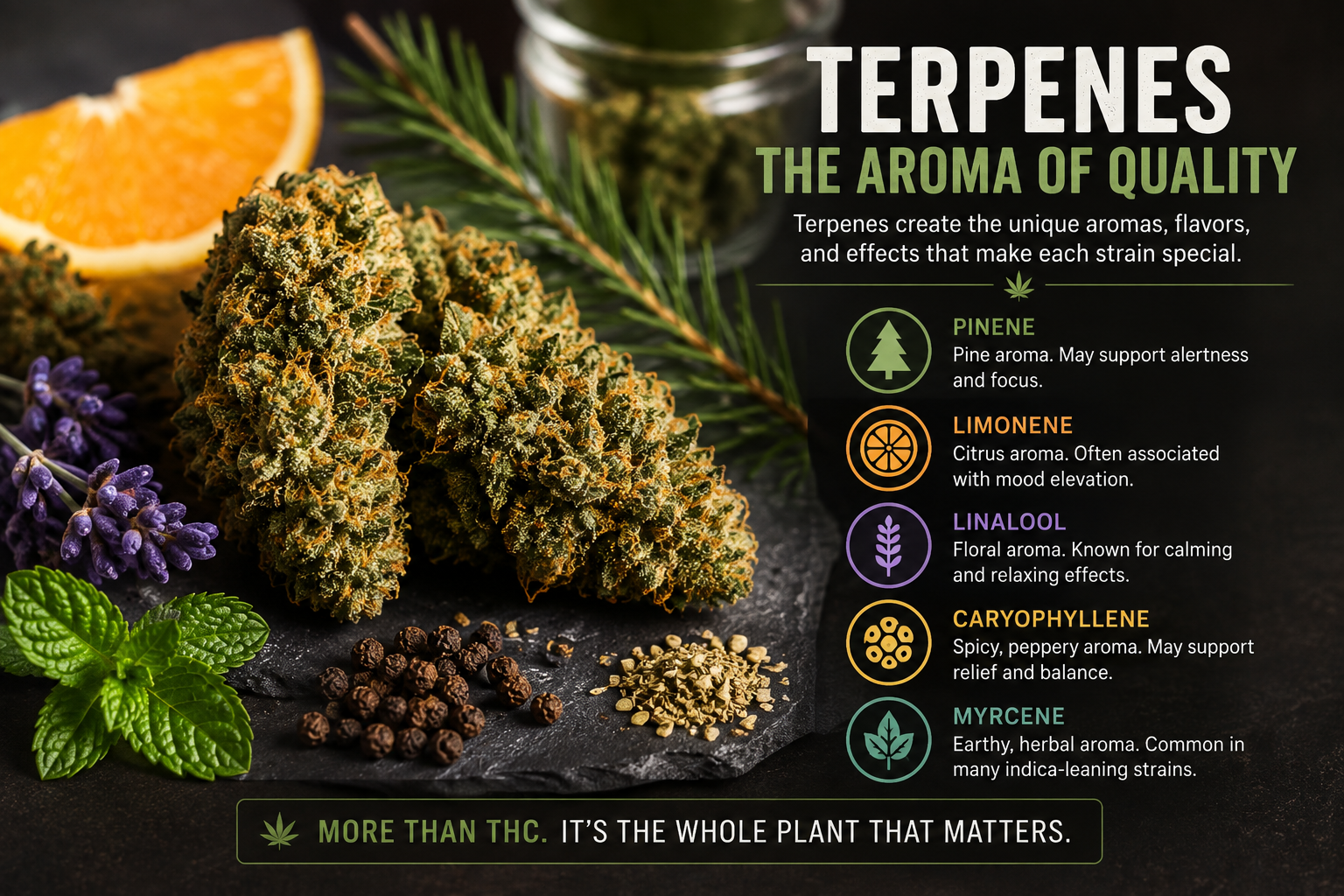
Terpenes are aromatic compounds responsible for many of the distinctive scents associated with cannabis. Compounds such as myrcene, limonene, pinene, linalool and caryophyllene contribute different aromatic characteristics.
Instead of looking only at the number printed beside THC on a label, understanding the terpene profile provides another way to evaluate the characteristics of a particular cultivar.
Freshness and Trichome Preservation
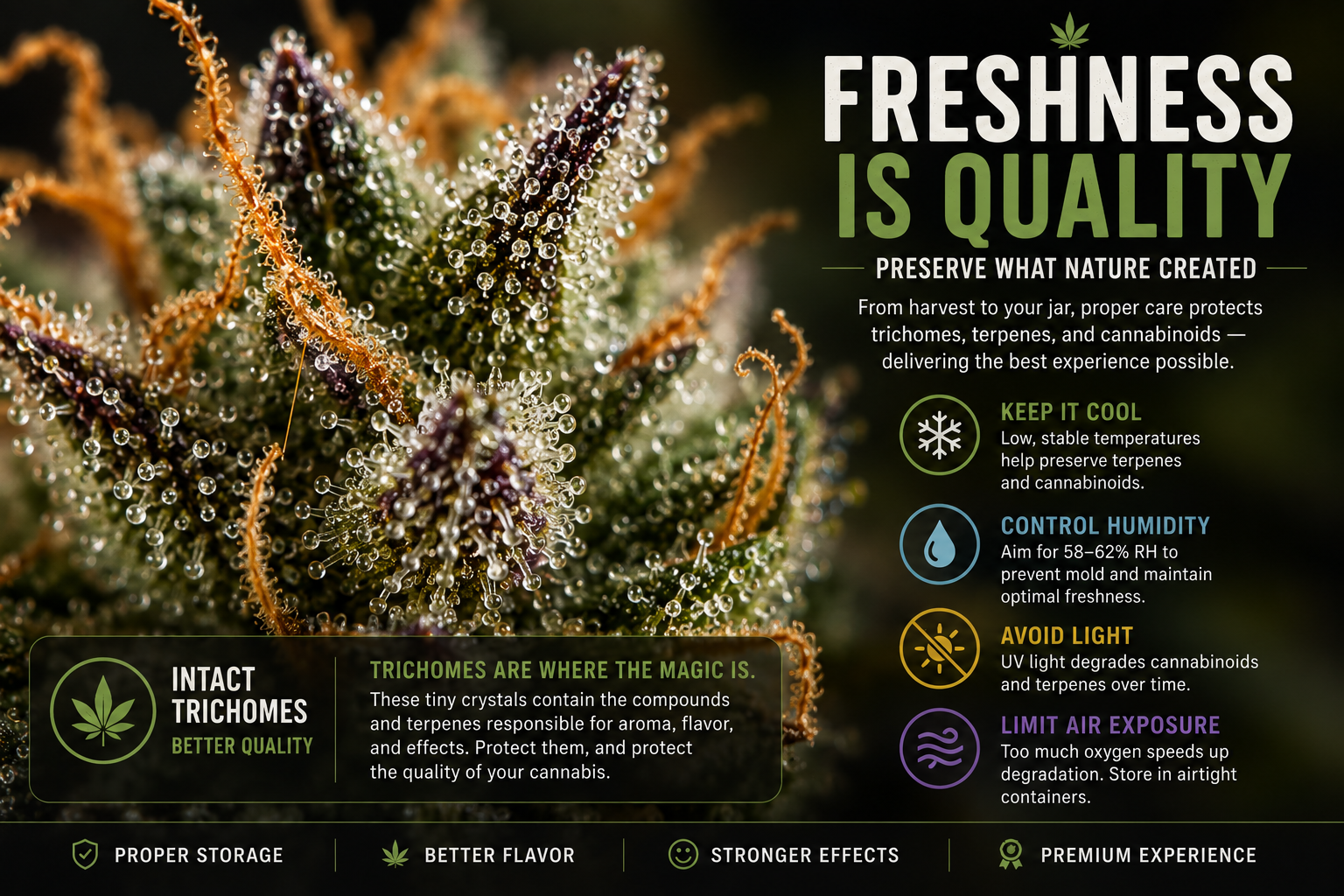
Freshness also matters when discussing cannabis quality beyond THC. Trichomes are small resinous structures found on cannabis flowers and contain cannabinoids and aromatic compounds. Poor handling, excessive heat, light, oxygen and unsuitable storage conditions can contribute to degradation over time.
Careful post-harvest handling therefore plays an important role in preserving the characteristics produced by the plant.
Quality Is More Than One Number
THC remains useful information, but it represents only one measurement. Genetics, terpene composition, cultivation practices, freshness, appearance, aroma and appropriate quality testing provide a much broader picture.
As cannabis education continues developing in 2026, consumers are becoming more interested in understanding these factors rather than judging a product from THC percentage alone. Ultimately, cannabis quality beyond THC is about examining the plant as a complete biological and chemical system rather than reducing quality to a single percentage.