
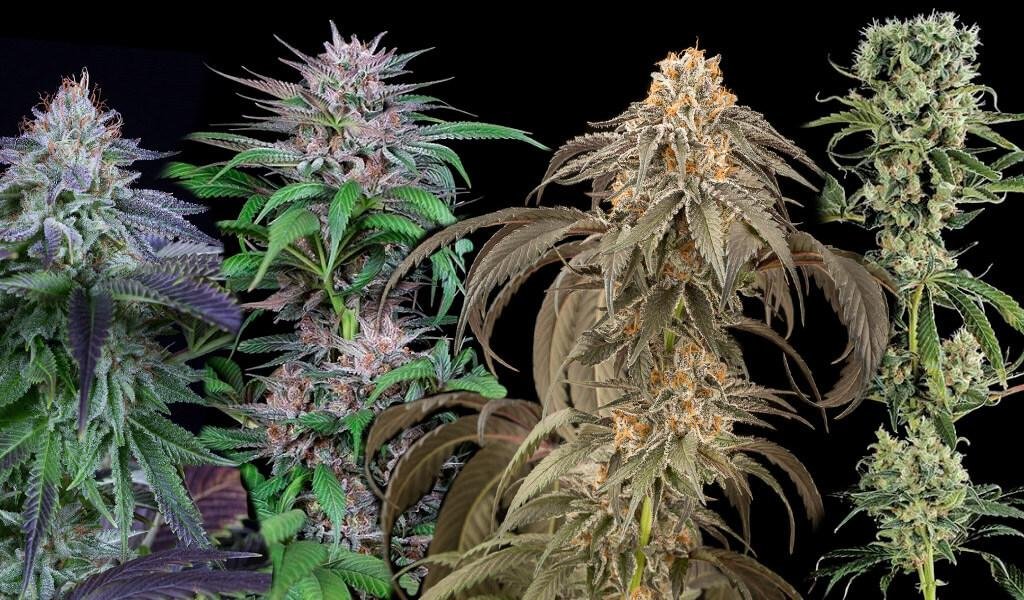
Cannabis genetics help explain why different cannabis plants can have distinct aromas, appearances, growth patterns and chemical profiles. Although two flowers may look similar, their inherited characteristics can differ significantly.
Genetics establish an important foundation for plant development. However, the environment, cultivation conditions, harvest timing and post-harvest handling also influence the final characteristics of cannabis flower.
Understanding this relationship provides a more complete picture of cannabis than relying on strain names, appearance or THC percentage alone. Ready to put this into practice? Our beginner’s guide to choosing cannabis seeds walks you through selecting strong genetics for your own grow.
In this guide, Burning Rope Pharms explores the science behind cannabis genetics, how inherited traits influence plant characteristics and why genetics are only one part of the overall quality equation.
What Are Cannabis Genetics?
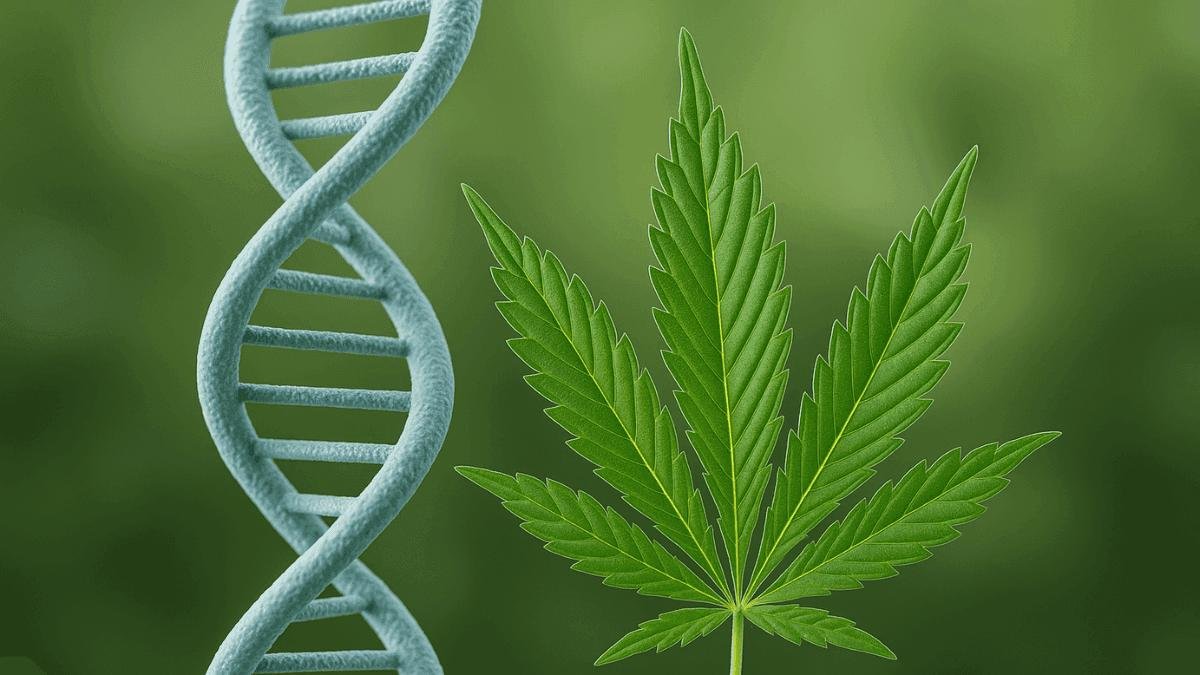
Cannabis genetics refer to the inherited biological information that influences how a cannabis plant develops.
Like other plants, cannabis receives genetic material from its parents. This information contributes to traits such as plant structure, flowering behavior and the potential to produce different chemical compounds.
Different genetic backgrounds can produce different combinations of characteristics.
For example, one cultivar may have the genetic potential to produce a terpene profile rich in certain aromatic compounds, while another may have a different chemical profile.
However, genetic potential does not guarantee that every plant will develop identically.
Environmental conditions and cultivation practices also affect how inherited traits are expressed.
This distinction is essential when comparing cannabis cultivars.
How Cannabis Genetics Influence Plant Characteristics
Cannabis genetics contribute to several important plant characteristics.
1. Appearance and Plant Structure
Different genetic backgrounds can influence plant height, branching patterns, leaf characteristics and flower structure.
Some plants naturally develop compact growth patterns, while others may grow taller or produce different branching structures.
Flower appearance can also vary.
However, visual differences should not automatically be interpreted as differences in quality.
A plant’s appearance reflects a combination of genetics, development and environmental conditions.
2. Cannabinoid Profiles
Cannabinoids are a group of chemical compounds produced by cannabis plants.
THC, CBD and CBG are familiar examples, although cannabis contains numerous other cannabinoids and related compounds.
Genetics influence a plant’s capacity to produce different cannabinoid profiles.
Scientists sometimes classify cannabis according to its chemical composition, an approach known as chemotype classification.
This can provide more meaningful chemical information than relying exclusively on a commercial strain name.
Nevertheless, actual cannabinoid concentrations may also vary because of cultivation, plant development, sampling and analytical methods.
3. Terpene Profiles
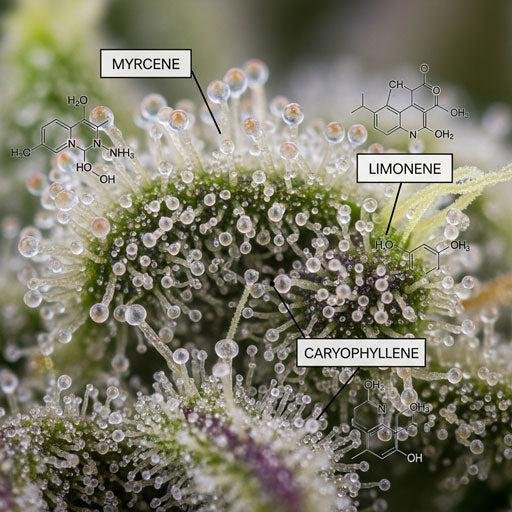
Terpenes are volatile aromatic compounds found in many plants, including cannabis.
They contribute to aromas commonly described as citrus-like, pine-like, floral, herbal, earthy or spicy.
Cannabis genetics help establish the potential for different terpene profiles.
However, growing conditions and post-harvest handling can influence the final aromatic composition of flower.
This explains why genetics are important without being the only factor responsible for aroma.
What Makes Cannabis Smell Different? Understanding Terpenes, Genetics, and Aroma in 2026]
Why Can Plants With the Same Strain Name Be Different?
A strain name is not necessarily a guarantee of identical genetics or chemical composition.
Commercial naming conventions are not always standardized. Different producers may use the same name for material with different genetic backgrounds, while growing conditions can introduce additional variation.
Even plants sharing a genetic background may develop different characteristics when cultivated in different environments.
Factors that can contribute to variation include:
- Environmental conditions during growth.
- Plant maturity and harvest timing.
- Cultivation and handling practices.
- Drying and curing conditions.
- Storage conditions after harvest.
This means a strain name can provide useful context, but it should not be treated as a complete scientific description.
Where available, documented genetic information and reliable laboratory analysis can provide additional detail.
Cannabis Genetics vs. Growing Environment
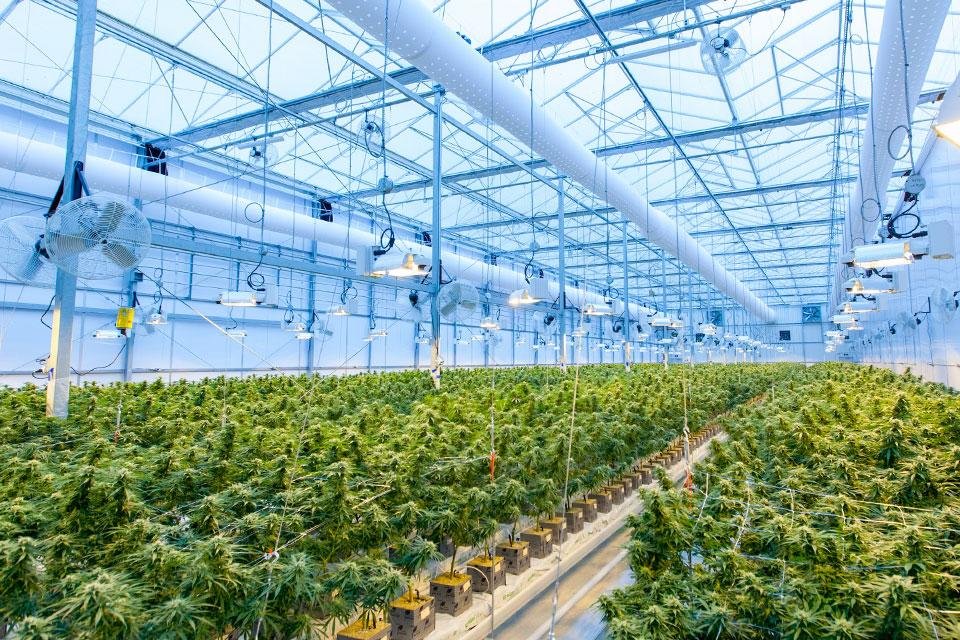
One of the most important concepts in plant science is the relationship between genetics and environment.
Genetics establish a plant’s inherited potential.
Environmental conditions influence how that potential is expressed.
For cannabis, this relationship can affect growth, development and chemical composition.
Two plants with similar genetics may therefore produce material with different characteristics when grown under different conditions.
The same principle applies to many agricultural crops.
Understanding genetics and environment together helps explain why a cultivar’s characteristics cannot always be predicted from its name alone.
Cannabis Genetics and Trichomes
Trichomes are small structures found on the surfaces of cannabis flowers and other plant tissues.
Certain glandular trichomes are important sites for the production and accumulation of cannabinoids and terpenes.
Genetics contribute to trichome-related characteristics, but plant development and environmental conditions also play roles.
A flower with abundant visible trichomes may appear especially frosty.
However, visible trichome coverage alone cannot establish its complete chemical composition, freshness or overall quality.
A broader evaluation considers multiple characteristics rather than treating one visual feature as a universal quality indicator.
Cannabis Trichomes Explained: What They Reveal About Aroma, Freshness and Flower Quality
Do Indica and Sativa Labels Explain Cannabis Genetics?
The terms indica and sativa have a long history in cannabis classification and commercial naming.
However, these labels do not consistently communicate a product’s complete genetic background or chemical composition.
Modern cannabis breeding has produced substantial genetic mixing, and commercial classifications do not always correspond neatly to distinct chemical profiles.
Scientific research has examined the limitations of these labels and the relationship between cannabis genetics, naming and chemical characteristics.
For readers interested in understanding the actual composition of cannabis, documented cannabinoid and terpene information can provide additional context.
The important distinction is that a broad commercial category should not be mistaken for a complete genetic or chemical description.
Why Cannabis Genetics Matter Beyond THC Percentage
THC percentage describes one aspect of a cannabis sample.
It does not independently explain the plant’s genetic background, complete terpene profile, freshness, appearance or storage history.
Cannabis genetics help establish the potential for different chemical characteristics, but the final product reflects multiple stages of development and handling.
For this reason, understanding cannabis requires more than comparing a single laboratory measurement.
A more complete educational approach considers genetics alongside chemical composition and post-harvest factors.
Why Cannabis Consumers Are Looking Beyond THC Percentage in 2026
Can Storage Change a Genetically Distinct Flower?
Storage does not rewrite the inherited genetics of harvested cannabis flower.
However, storage conditions can influence the chemical composition and physical characteristics of the harvested material over time.
Temperature, light, oxygen exposure, moisture and storage duration can contribute to changes in cannabinoids and volatile aromatic compounds.
Consequently, two samples originating from the same cultivar may develop different characteristics if they experience different post-harvest conditions.
This is why genetics and freshness should be understood as related but distinct topics.
Cannabis Freshness Explained: How Storage, Aroma, Moisture and Time Affect Flower Quality
What Should Readers Remember About Cannabis Genetics?
Cannabis genetics provide the biological foundation for many plant characteristics, but they do not tell the entire story.
Inherited traits influence growth patterns and the potential for different chemical profiles.
Cultivation and environmental conditions affect how those traits develop.
Harvesting, drying, curing and storage can further influence the characteristics of the final material.
Strain names, visual appearance and THC percentage can each communicate some information, but none provides a complete description on its own.
Understanding the relationship between genetics, chemistry and environment offers a more scientifically informed perspective on cannabis diversity.
Final Thoughts
Cannabis genetics explain an important part of why different cultivars have different characteristics.
They influence plant development and the potential for distinct cannabinoid and terpene profiles.
However, genetics interact with environmental conditions, cultivation practices and post-harvest handling.
At Burning Rope Pharms, our Cannabis Education articles explore these subjects to help readers understand the science behind the plant.
The central takeaway: cannabis genetics establish the foundation, while the environment and post-harvest process influence the final characteristics.